 Johnson@xinxindisplay.com
 WhatsApp:13424567018
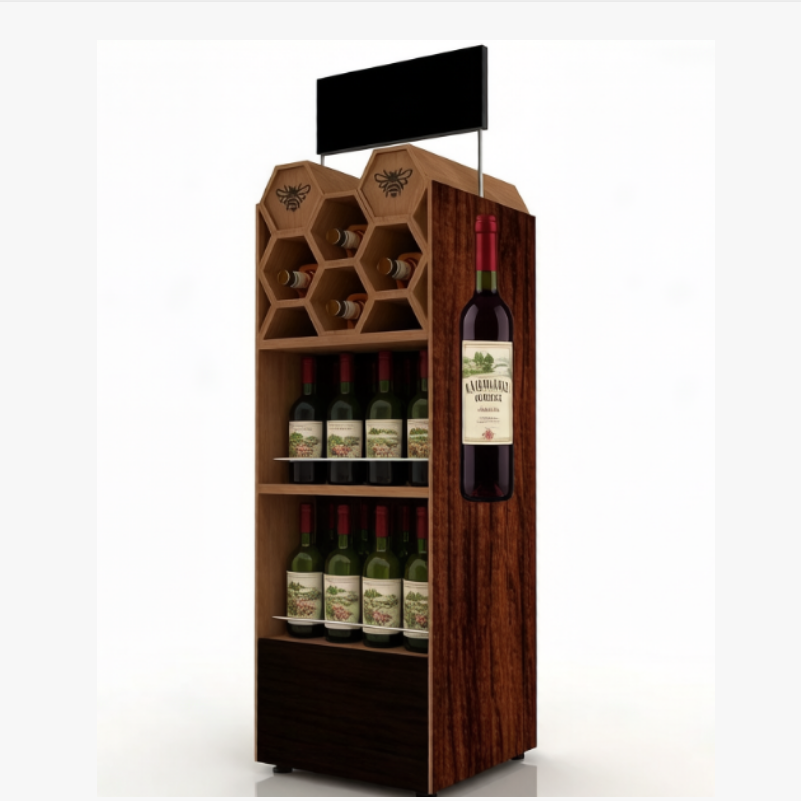
Supermarket display rack
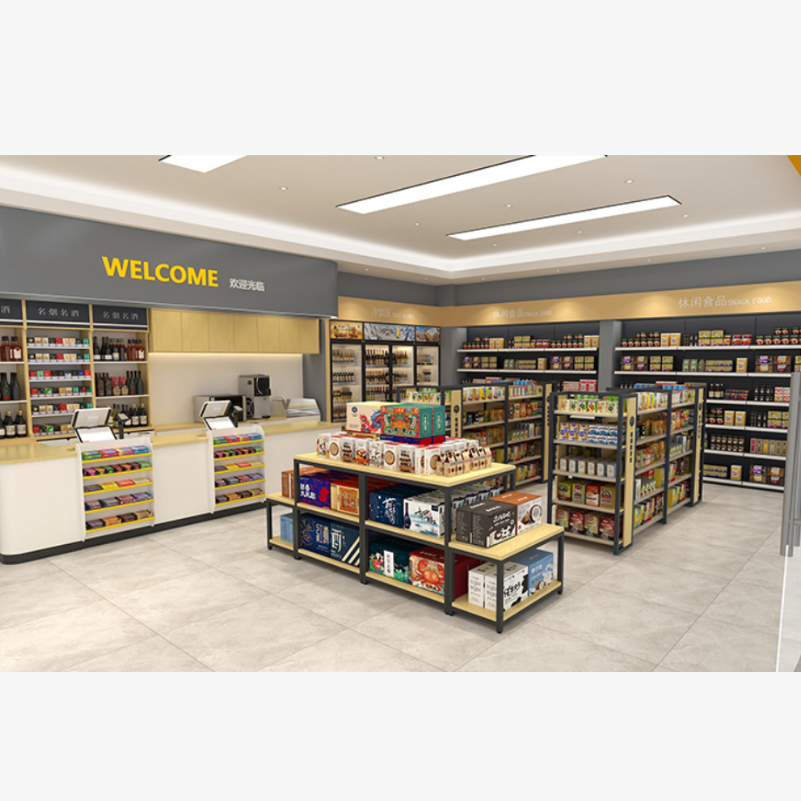
Supermarket shelves are the core battlefield of sales. Through scientific display and layout, they can effectively guide customer behavior, stimulate purchasing desire, and increase sales revenue. The following strategies combine spatial planning, psychological principles, and product characteristics to provide practical guidance for shelf sales.
Optimize shelf layout and flow design: Reasonable layout can guide customers to naturally cover more areas. For example, using a single entrance serpentine channel to form a forced flow line and extend the dwell time; Place high-frequency essential products (such as fresh produce and dairy products) in the hot zone at the entrance, display medium profit products in the middle temperature zone, set impulse products (such as candy) in the cold zone at the exit, and use "golden positions" such as end racks and stacking heads (parallel height of 1.2-1.7 meters, right-hand habitual area) to highlight high gross profit products and increase exposure.
Applying sales psychology techniques: influencing decisions through visual focus and pricing strategies, such as placing promotional or high profit products on mid shelf or end shelf within easy reach of customers, and using the "vertical display method" to arrange the same category from low to high price to guide browsing; Using price anchors (such as displaying promotional products and high priced competitors side by side) and tail end pricing (such as 9.9 yuan instead of 10 yuan) to enhance cost-effectiveness perception; By using scenario based displays (such as combining barbecue tools and labeling ingredients as "camping packages") to stimulate associative purchases, or labeling scarce information such as "limited supply" to trigger quick decisions.
Special display for fresh food and other categories: The fresh food area should focus on ensuring freshness and attractiveness, such as strictly following the first in, first out principle to avoid backlog, using side to side display of vegetables, placing fruits with the head facing up, and highlighting the low price advantage with bright labels; The lighting needs to focus on the product to enhance its color, and a transparent processing room can be set up in the cooked food area to provide tasting and attract customers with fragrance; Frozen products are displayed on ice, and fruits can be cut open to showcase their intrinsic quality, enhancing high gross profit conversion.
Dynamic adjustment and detail optimization: Regularly adjust the display based on sales data, such as setting the lowest price for fresh products during the morning market to attract customers, restoring the original price in the afternoon, and clearing inventory at a discount in the evening; Replenishment should maintain shelf fullness (such as 100% coverage during peak hours and appropriate reduction during off peak hours), and ensure that POP labels are clear and consistent; In terms of material selection, the fresh food area prioritizes rust resistant stainless steel, while the daily necessities area is designed with hooks or side racks to improve space utilization.