 Johnson@xinxindisplay.com
 WhatsApp:13424567018
The basic elements of display design
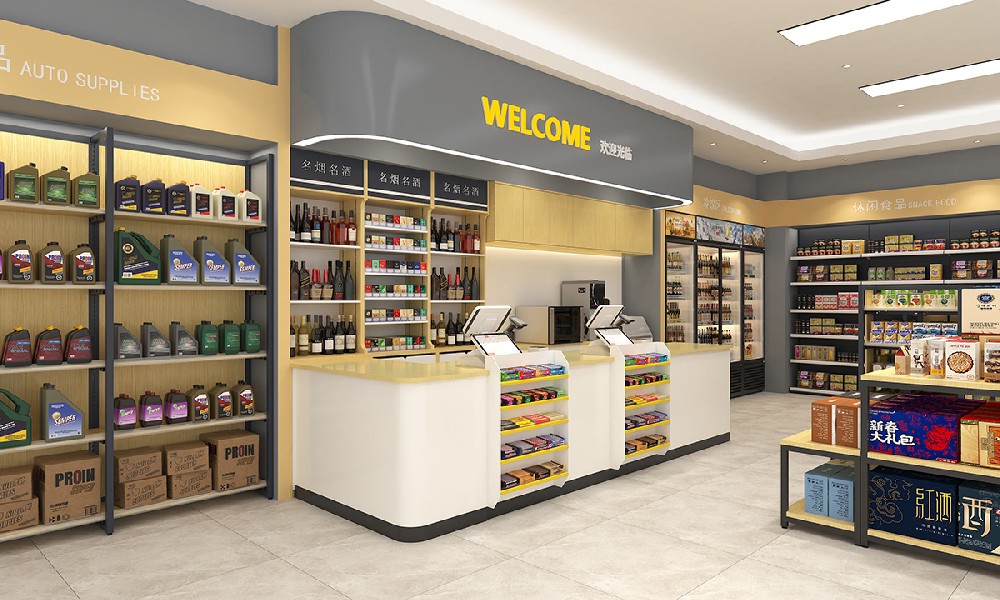
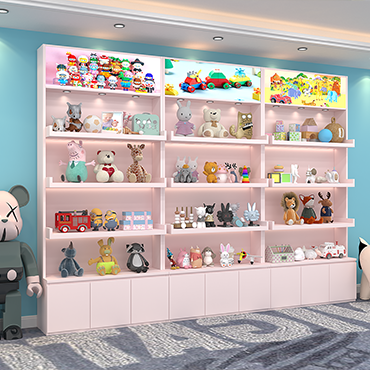
Display design, also known as exhibition display design, refers to the visual art design of exhibitions and displays and the creative process of exhibition spaces. It is widely applied in various display projects such as real - estate marketing, government planning, cultural events, and corporate achievements. The basic elements of display design mainly include design goals, design subjects, design bases, design plans, and design effect evaluations. During the display design process, principles such as the principle of purpose, the principle of artistry, the principle of functionality, the principle of science, and the principle of flexibility should also be grasped. Display design is a comprehensive art design with commodities as its main body. Within a given time and space, by using the language of art design and creating elaborate spatial and planar arrangements, it creates a unique spatial scope. It not only contains the intention of explaining the exhibition theme but also enables the audience to participate, achieving the goal of perfect communication. Such a spatial form is generally referred to as an exhibition space, and the creative process of the exhibition space is called display design.
Display design is an emerging industry, requiring the ability to conduct research and planning for promoting goods or ideas, the ability in three - dimensional shaping (aesthetics, building materials, and structures), knowledge of lighting and temporary electromechanical equipment, and the ability to attract crowds and arrange crowd flow. To engage in display design, one must first master the basic elements. The elements of display design mainly include:
1. Design Goals
One of the core elements of display design is the design goal, that is, the object of the display. To carry out display design well, the display goal must be determined first. It can be a single goal or a compound goal. A single goal refers to specific strategic issues in display design, such as the planning of the exhibition theme, exhibition name, booth rendering, pricing standards, etc. A compound goal means that the planned plan involves two or more activity goals, such as market share, sales profit margin, or the planning of 预定目标 for activities such as price, channel, and promotion at the same time.
2. Design Subjects
The design subject refers to the exhibition organization that conducts creativity, planning, and puts forward the planning plan. It is a highly intelligent mental operator, playing a "wisdom" role in exhibition activities. The planning subject can be an individual or an institution or organization. Since planning is a highly intellectual - intensive creative activity, the planning subject has special requirements for knowledge, culture, and ability qualities. The quality of the exhibition organization directly affects the quality level of exhibition activities.
3. Design Bases
The design bases include not only the knowledge structure, information storage of the exhibition organization, and professional information about the planning object but also the subjective and objective conditions for the establishment of the exhibition project. As a process of planning and programming, display design is a process of analysis, comparison, and research, as well as a process of continuous thinking and information processing. To proceed smoothly, the display design company must obtain a large amount of first - hand materials and master relevant information. The display design subject should collect and sort out various information related to the planning goal according to the requirements of the planning goal, including internal controllable information, uncontrollable environmental information, consumer demand information, and competitor information of the exhibition.
4. Design Plans
The display design plan is a set of strategies, methods, and steps designed and created by the display design company to achieve the project planning goal for the planning object.
5. Design Effect Evaluations
Pre - judge and evaluate the possible effects of implementing the planning plan. In display design, effect evaluation can be said to be the final work of a booth rendering and also the starting work. It provides a decision - making basis for future exhibition project planning and a reference basis for the growth of the exhibition brand.
In summary, display design, as a comprehensive art integrating knowledge and skills from multiple fields, plays a crucial role in today's diverse commercial and cultural environment. From clarifying design goals, relying on the wisdom of the design subject, to creating based on detailed information, through elaborately designing plans and scientifically evaluating the effects, each basic element is closely interconnected, jointly constructing a complete and creative display system. Only by deeply understanding and skillfully applying these elements and following the corresponding design principles can display design stand out in different display projects, achieve effective information transmission and deep emotional resonance, provide strong impetus for goals such as brand building and cultural dissemination, and promote the continuous development and innovation of the display industry.